 REMOTE FIRST
A visual summary
REMOTE FIRST
The comic version
Hire, Manage and Scale Distributed Teams — in 28 panels.

Why Remote is Better
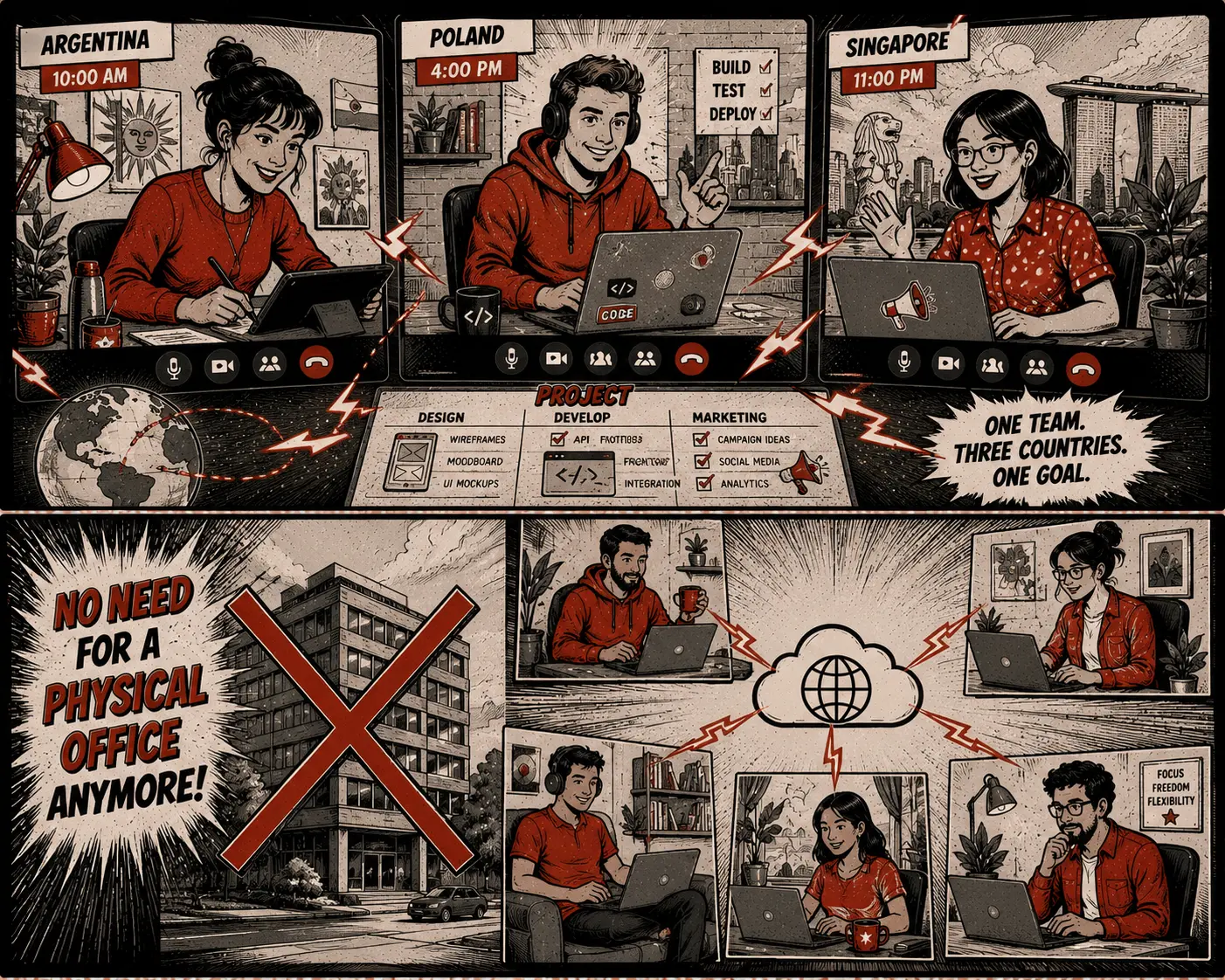
The office made sense when work was physical. Today most work lives in a laptop.
Panel 1 of 28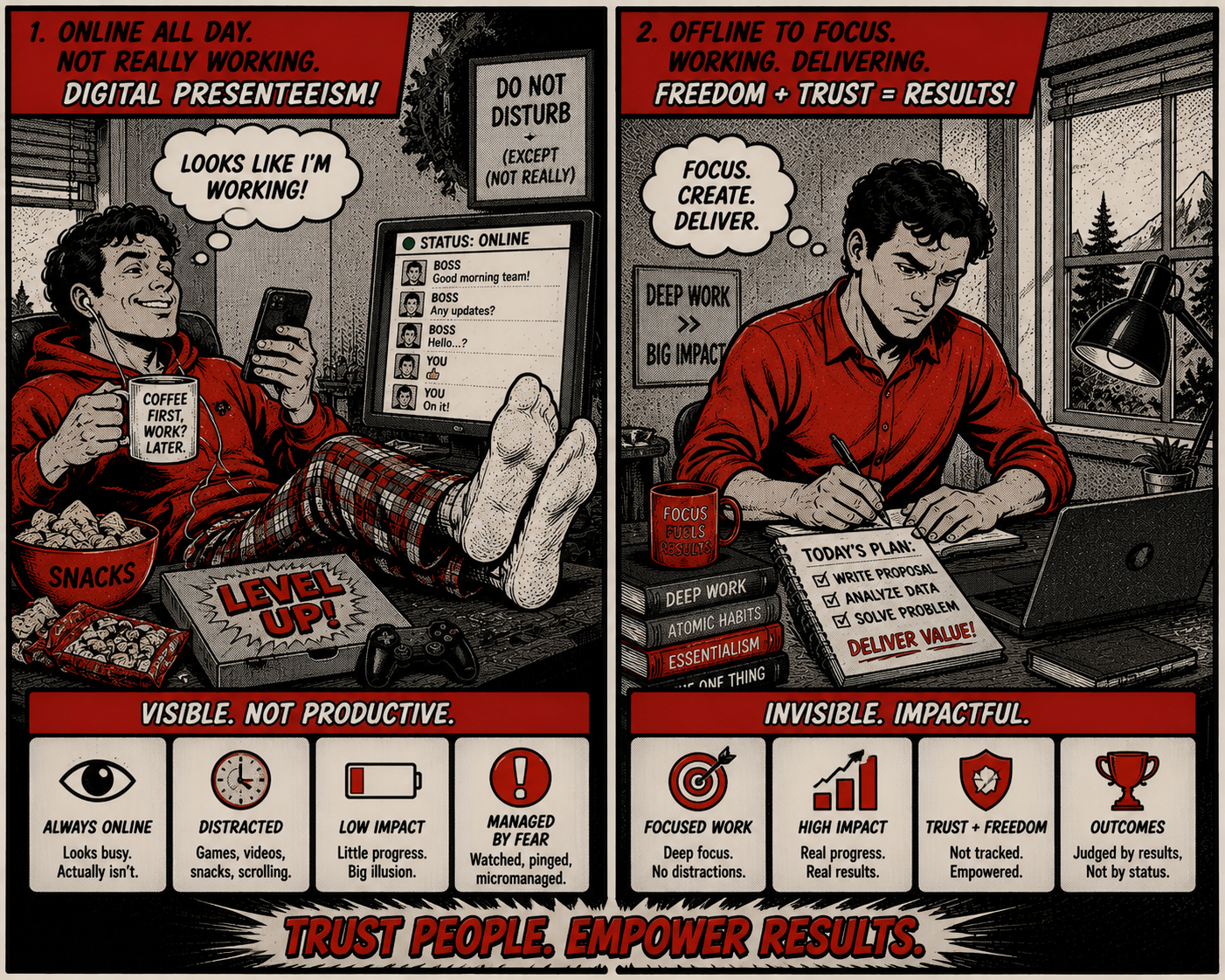
Fake remote means back-to-back calls all day. Real remote means deep focus and clear outcomes.
Panel 2 of 28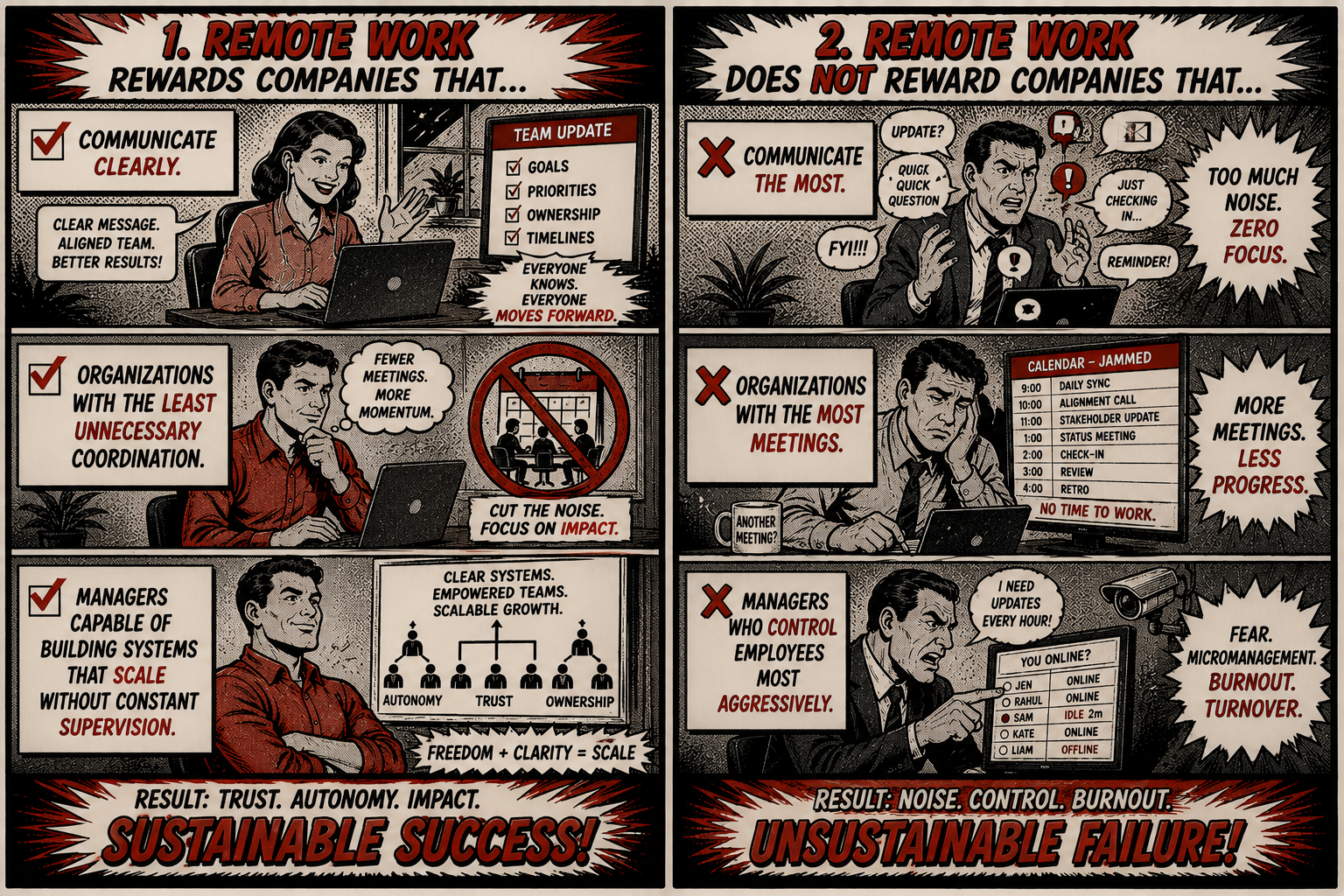
Remote rewards results. It does not reward looking busy.
Panel 3 of 28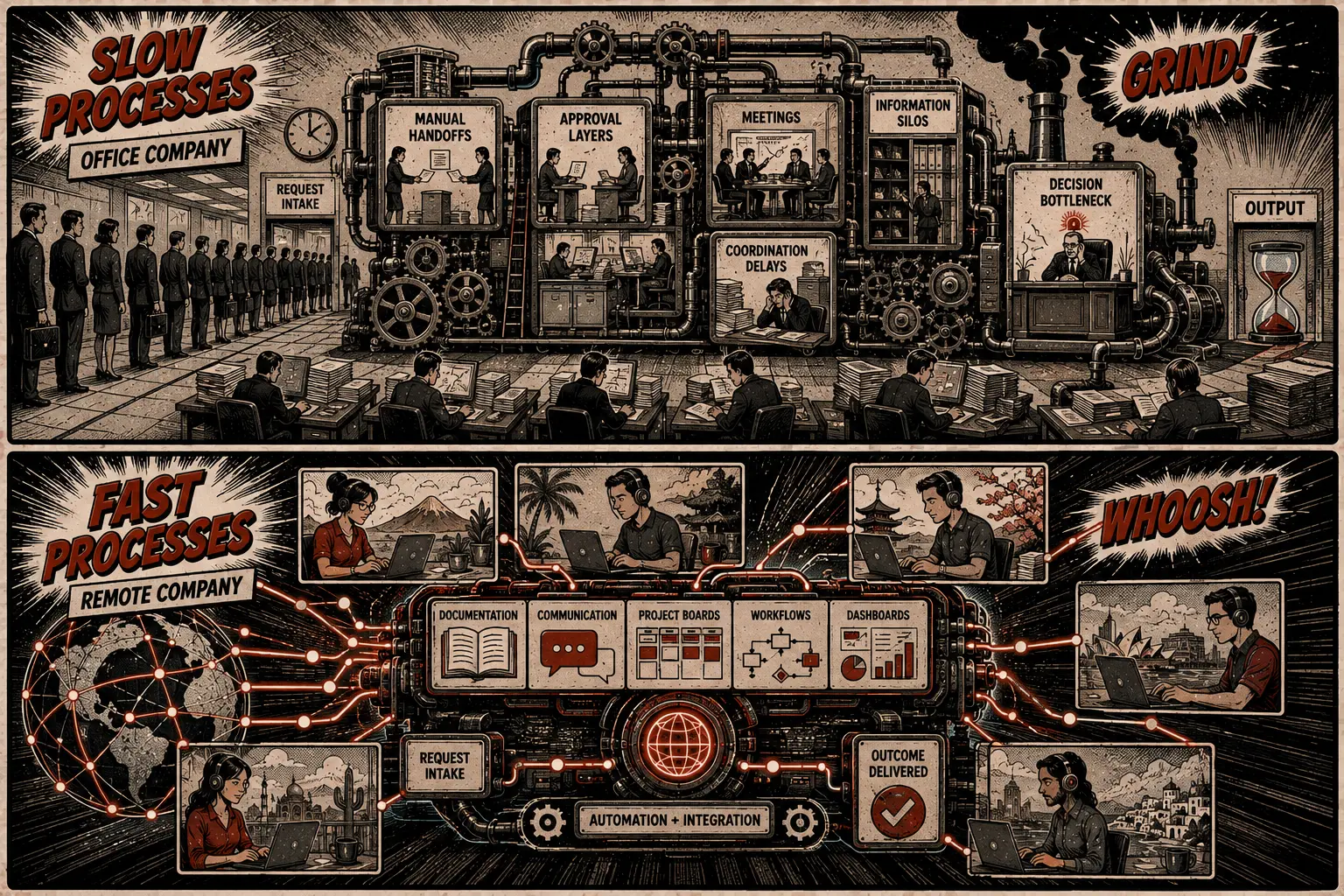
When you are not tied to one city, speed and talent become your real edge.
Panel 4 of 28Talent Scouting
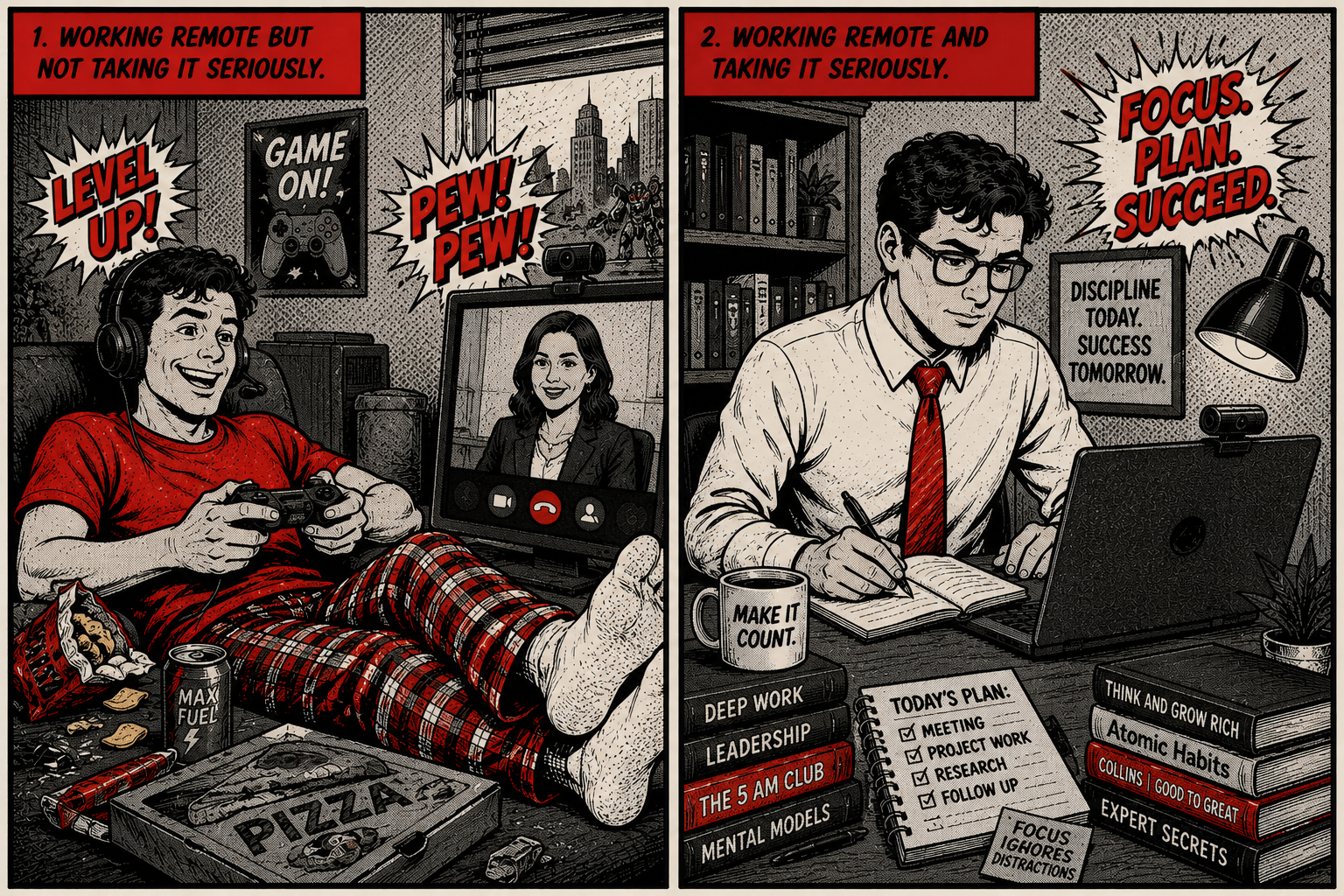
Look for people who can work without someone watching them every minute.
Panel 5 of 28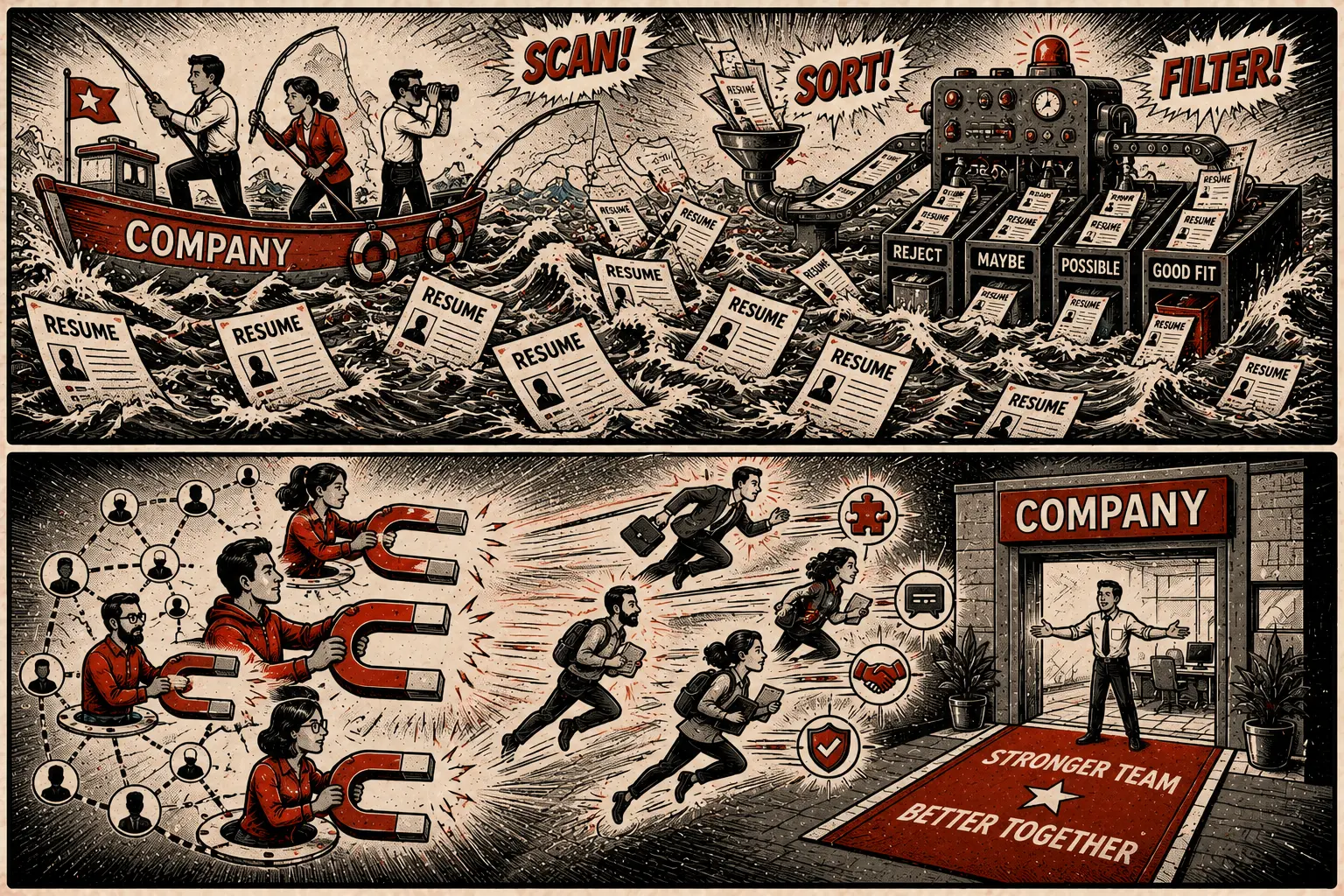
The best hires often come from the people your team already trusts.
Panel 6 of 28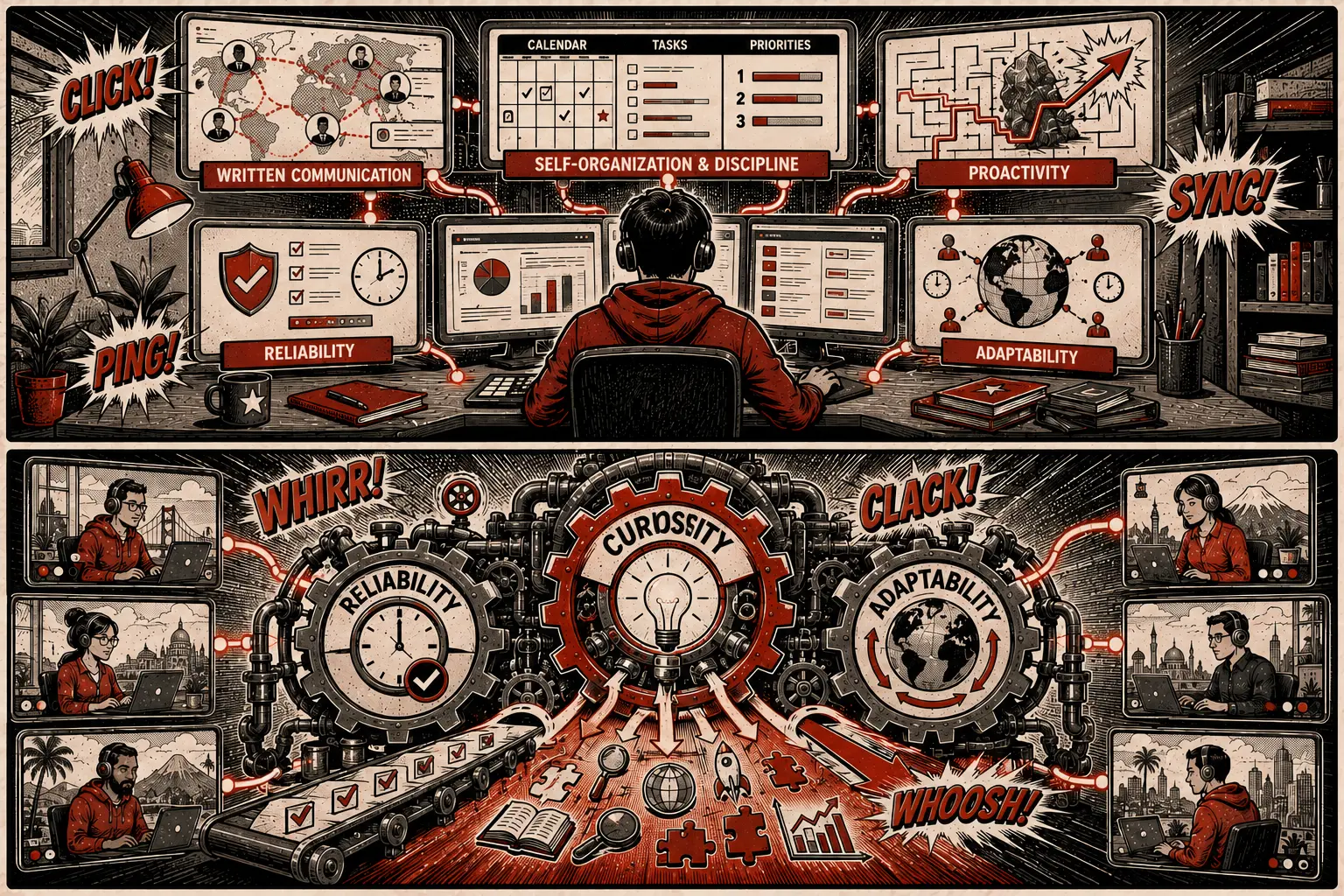
Communication, ownership and async writing beat being in the same room.
Panel 7 of 28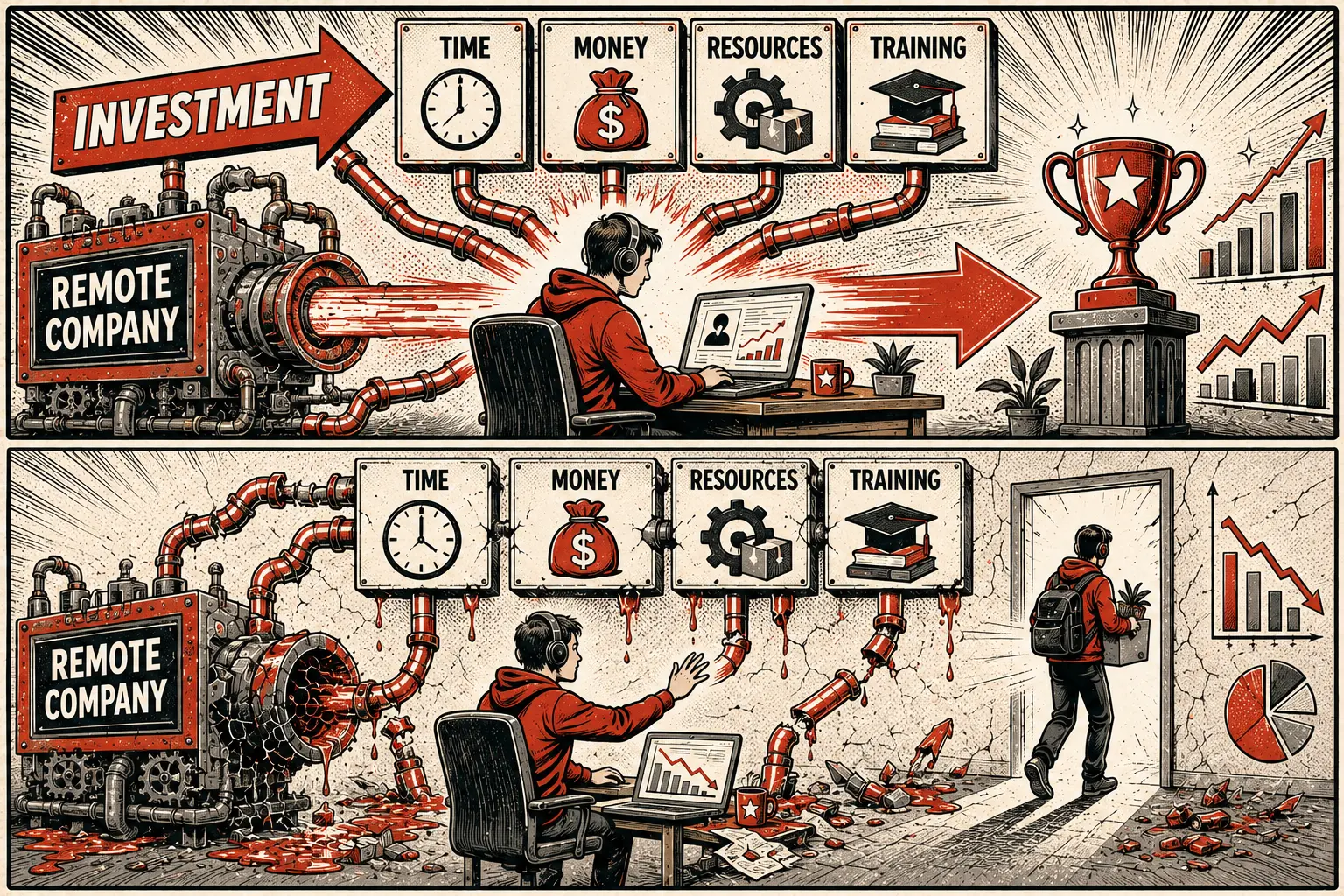
A wrong hire costs months of time, money and team energy.
Panel 8 of 28First Interview, Trial Period, Onboarding
Ask questions that show how someone thinks, writes and solves problems.
Panel 9 of 28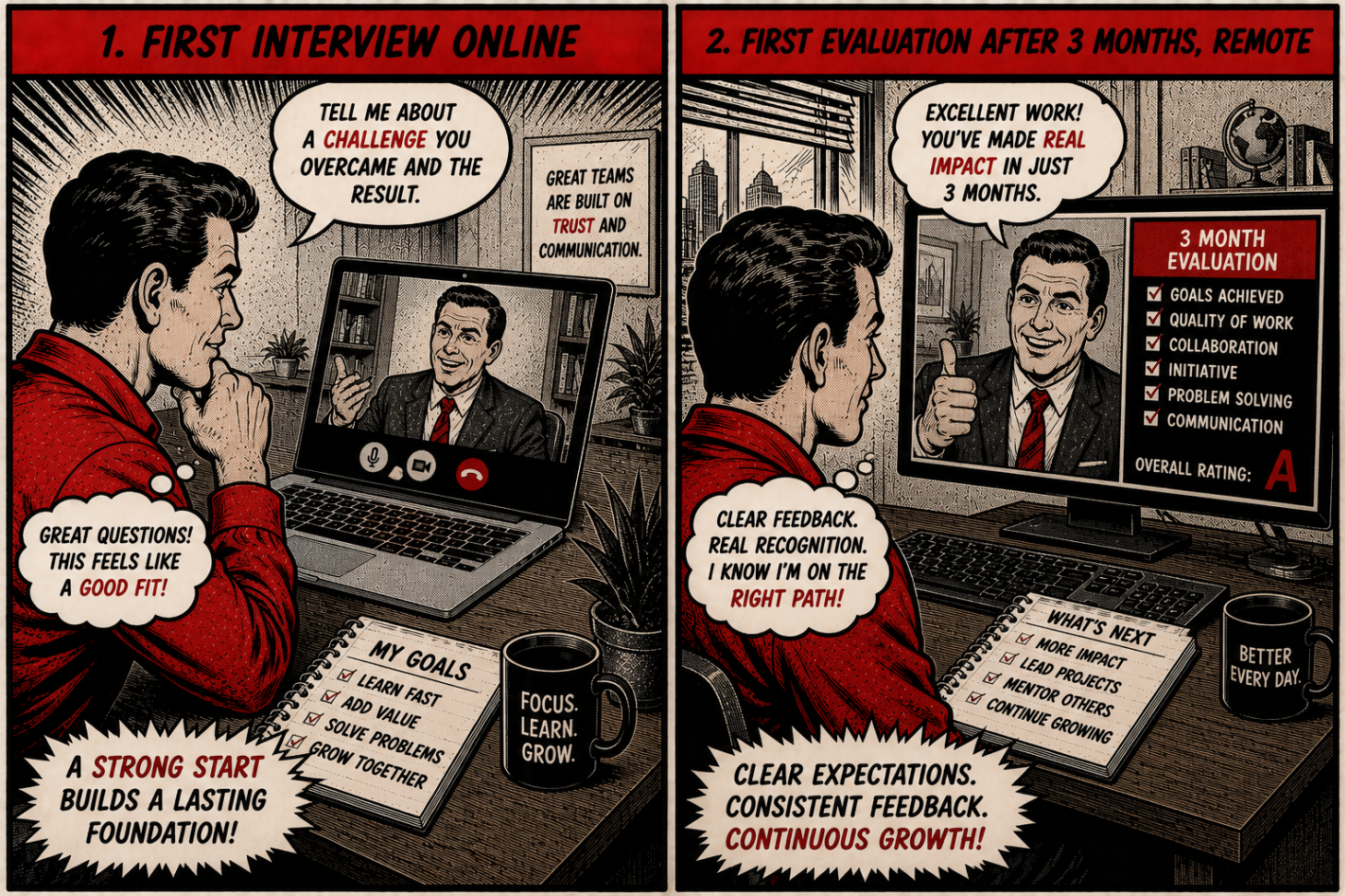
A short paid trial tells you more than any CV ever could.
Panel 10 of 28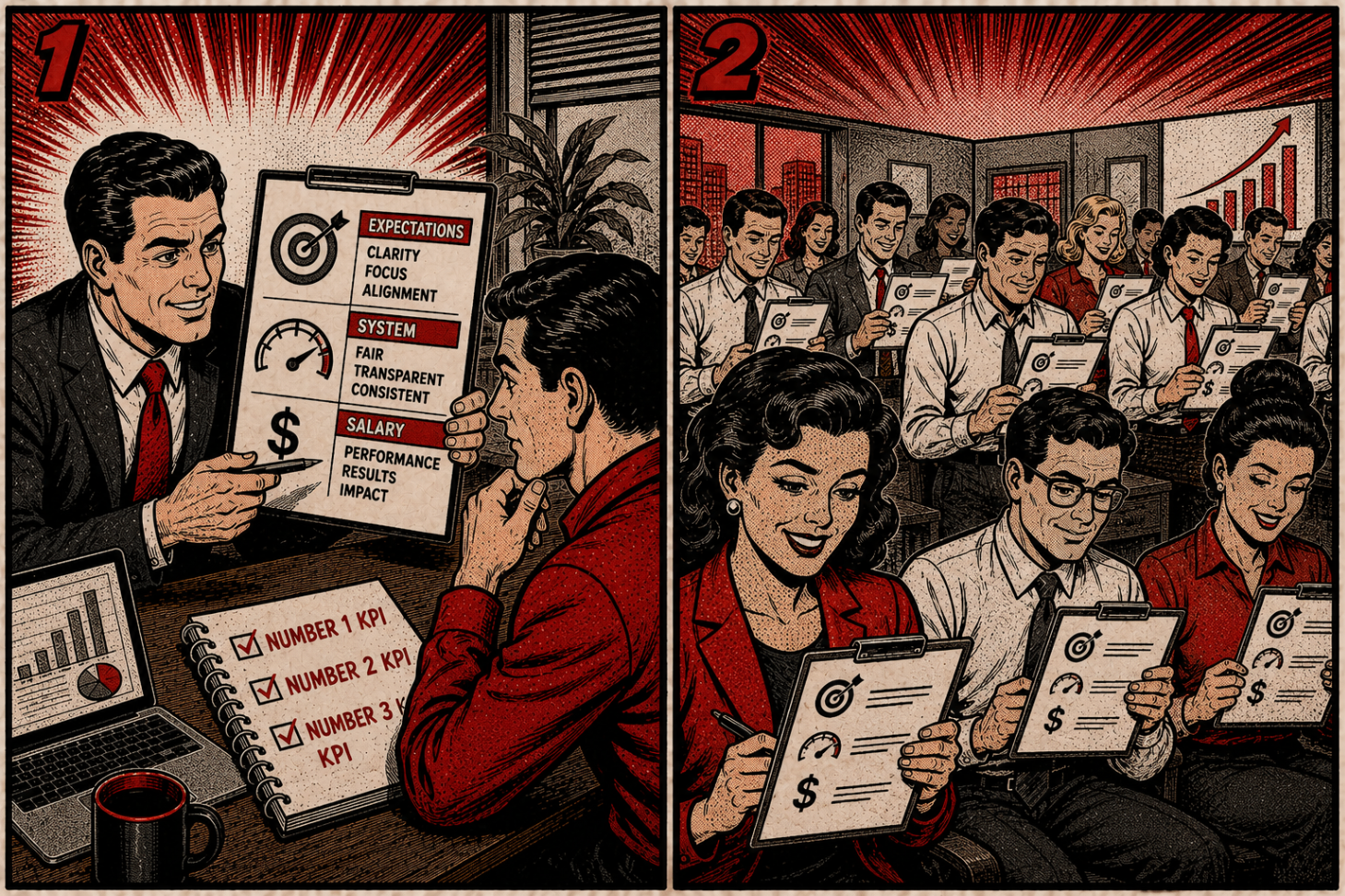
Give new hires a written playbook so they never feel lost.
Panel 11 of 28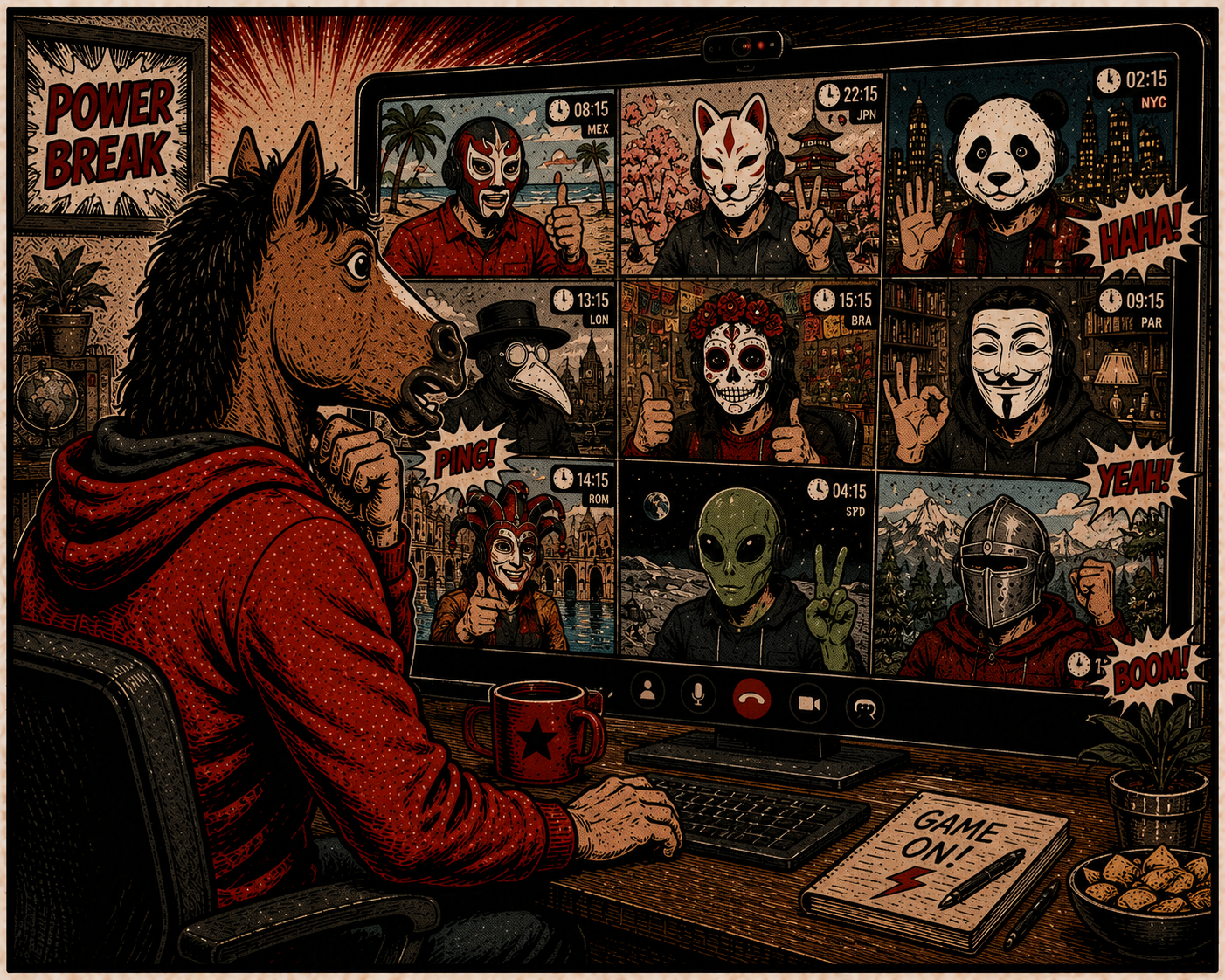
Onboarding happens online, but it is still about people.
Panel 12 of 28Monthly Evaluation
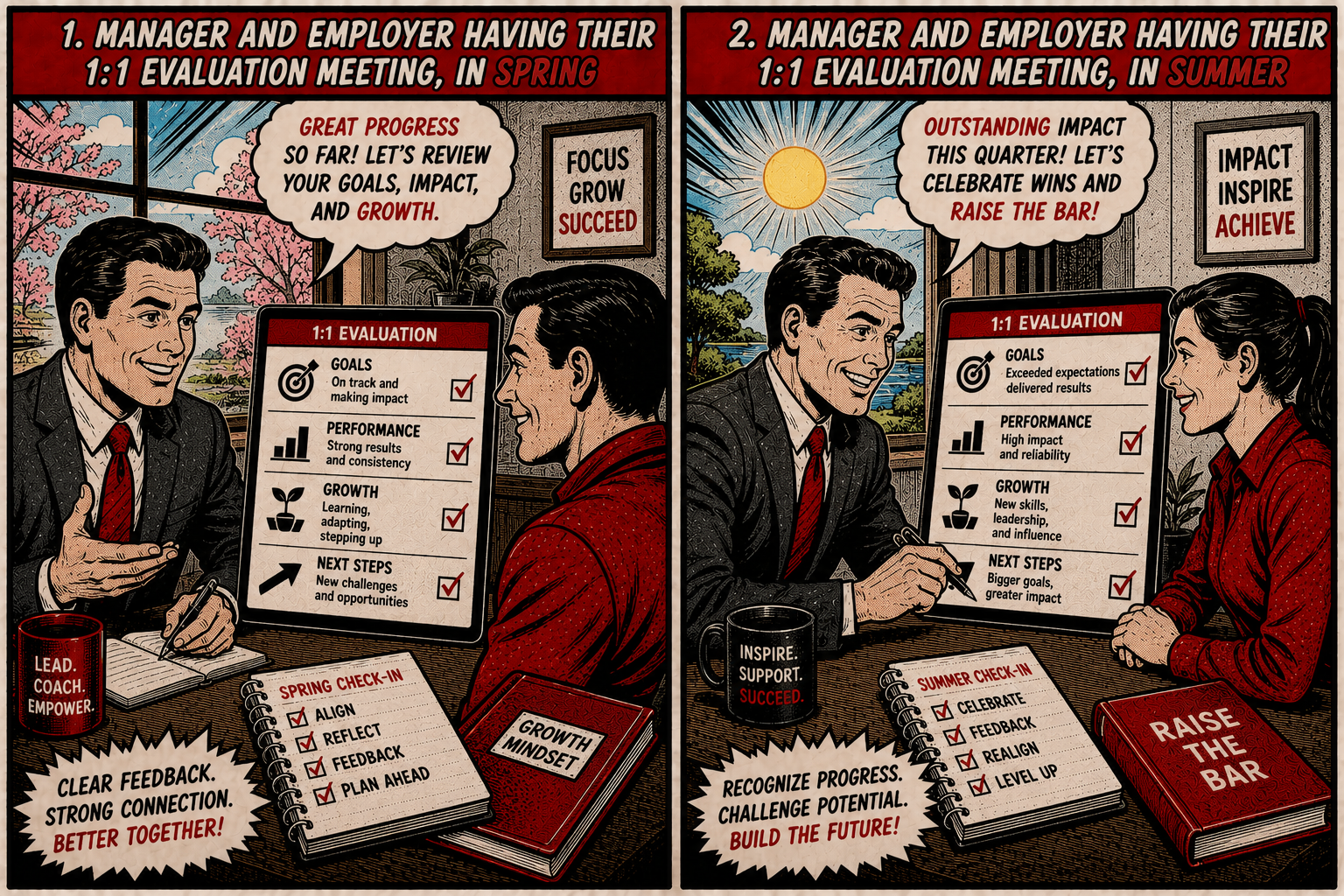
Check in often, but keep the ritual light and useful.
Panel 13 of 28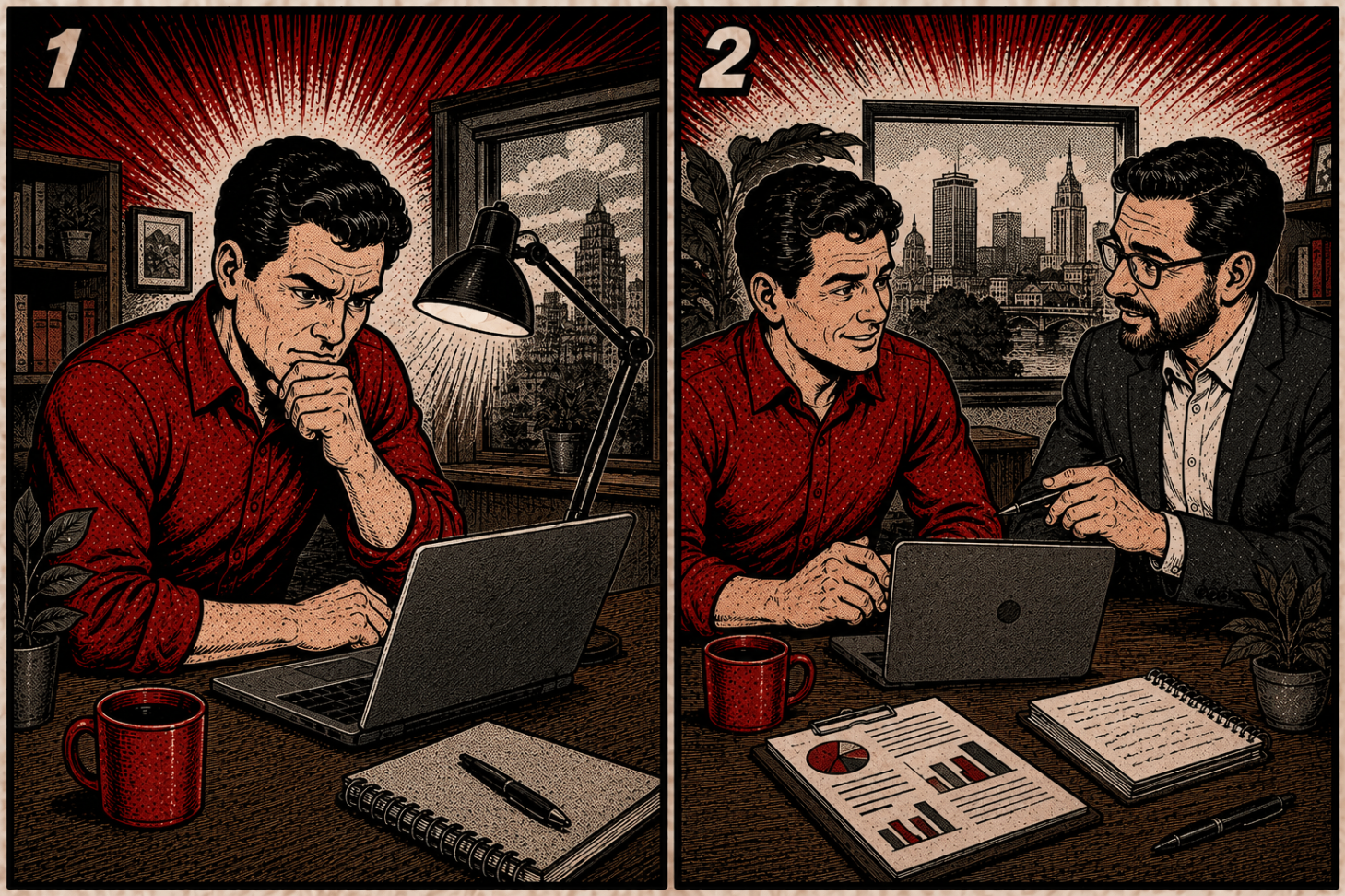
Evaluation is a conversation, not a one-way test.
Panel 14 of 28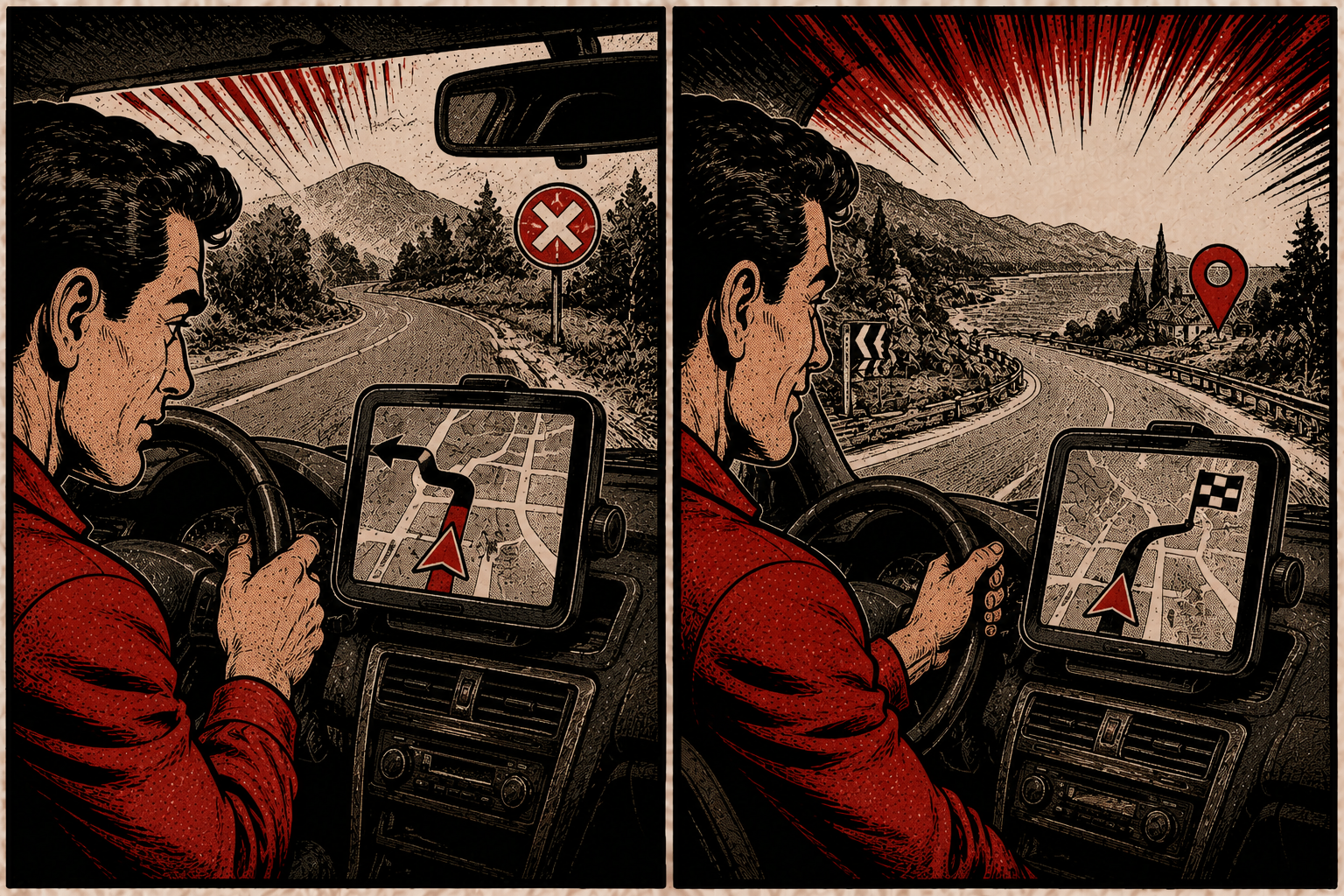
Catch small problems early, before they become big ones.
Panel 15 of 28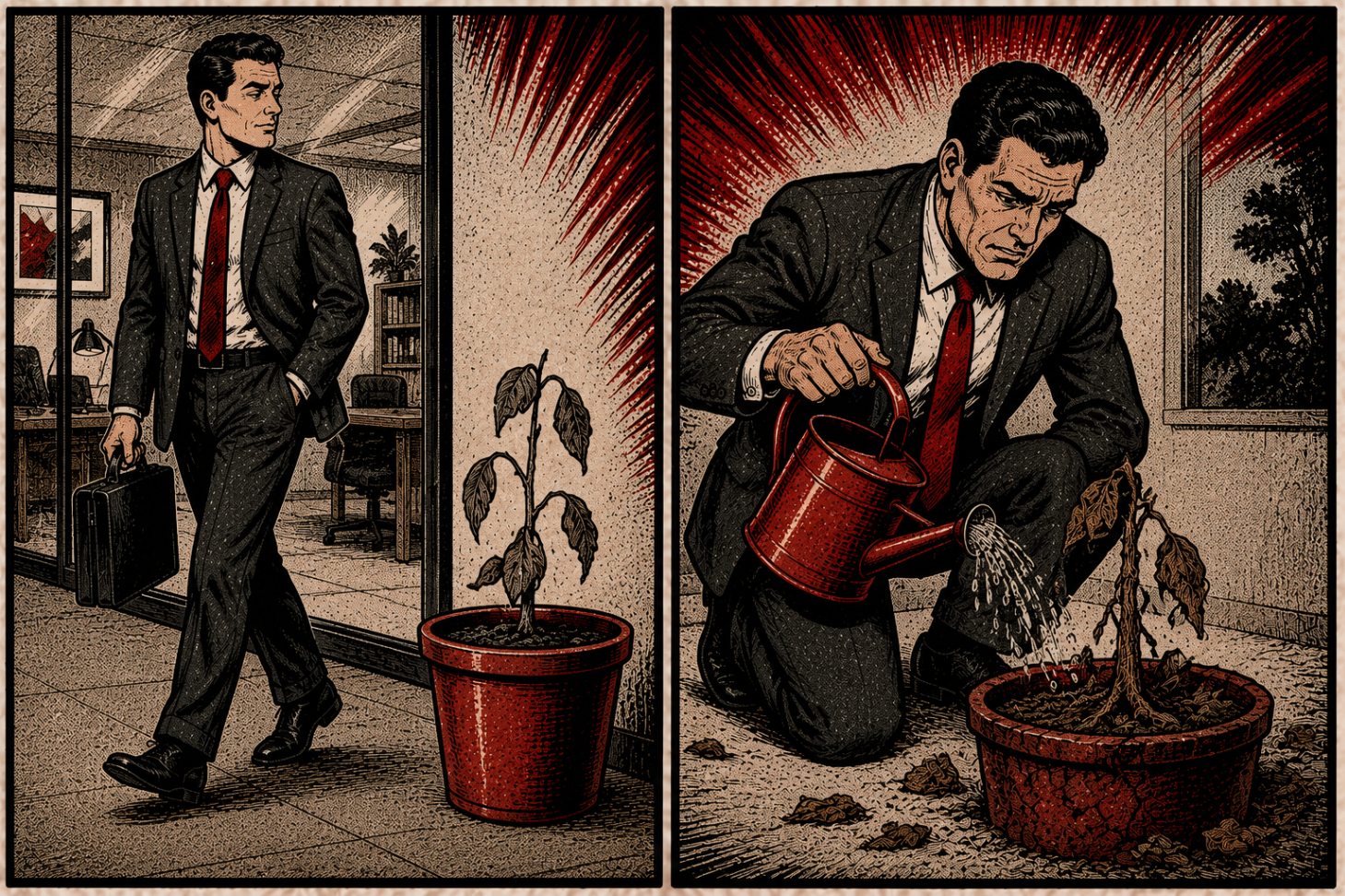
Tracking hours proves nothing. Track outcomes instead.
Panel 16 of 28Growth Plan & Career Path
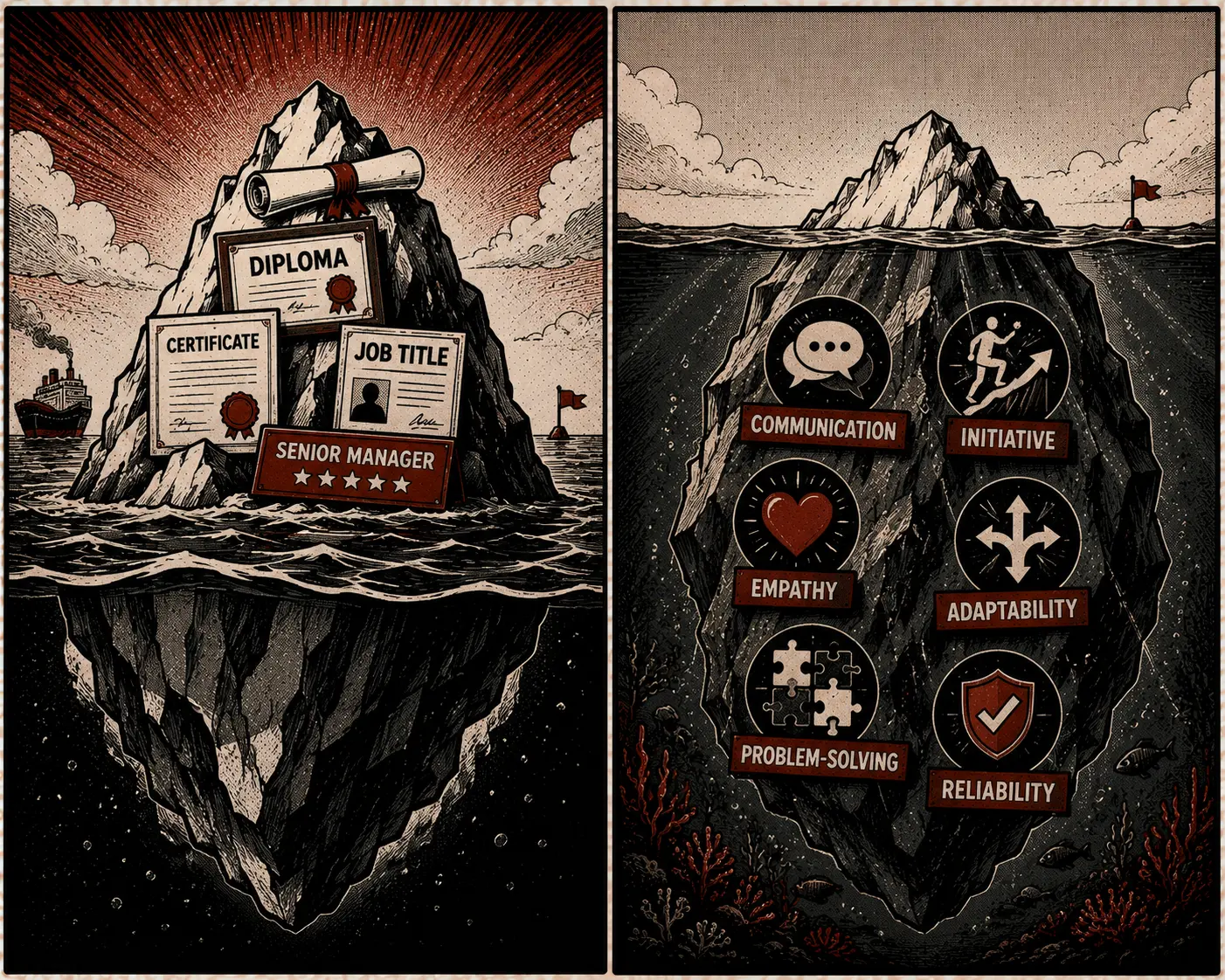
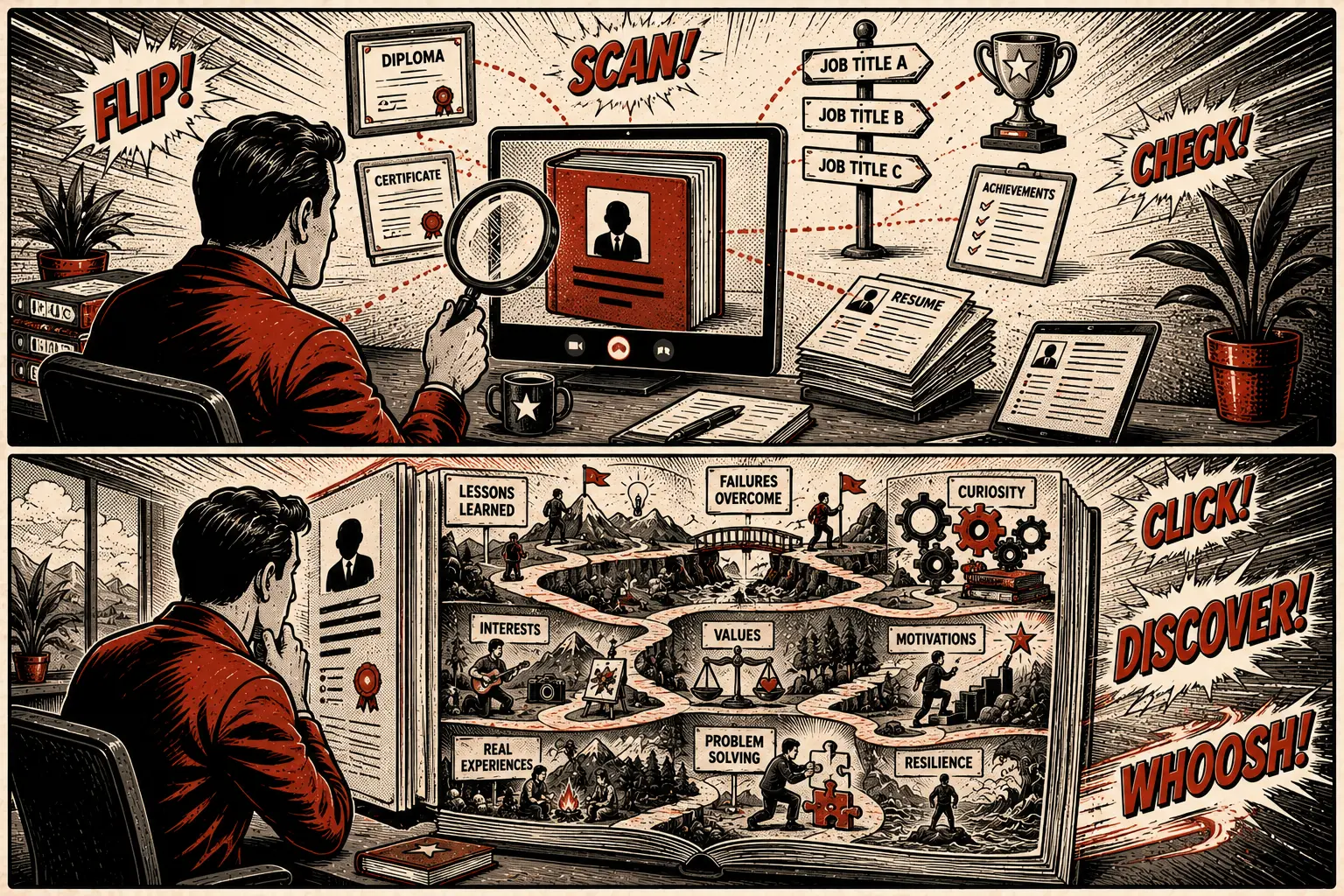
A CV is just a snapshot. It cannot show how someone grows.
Panel 17 of 28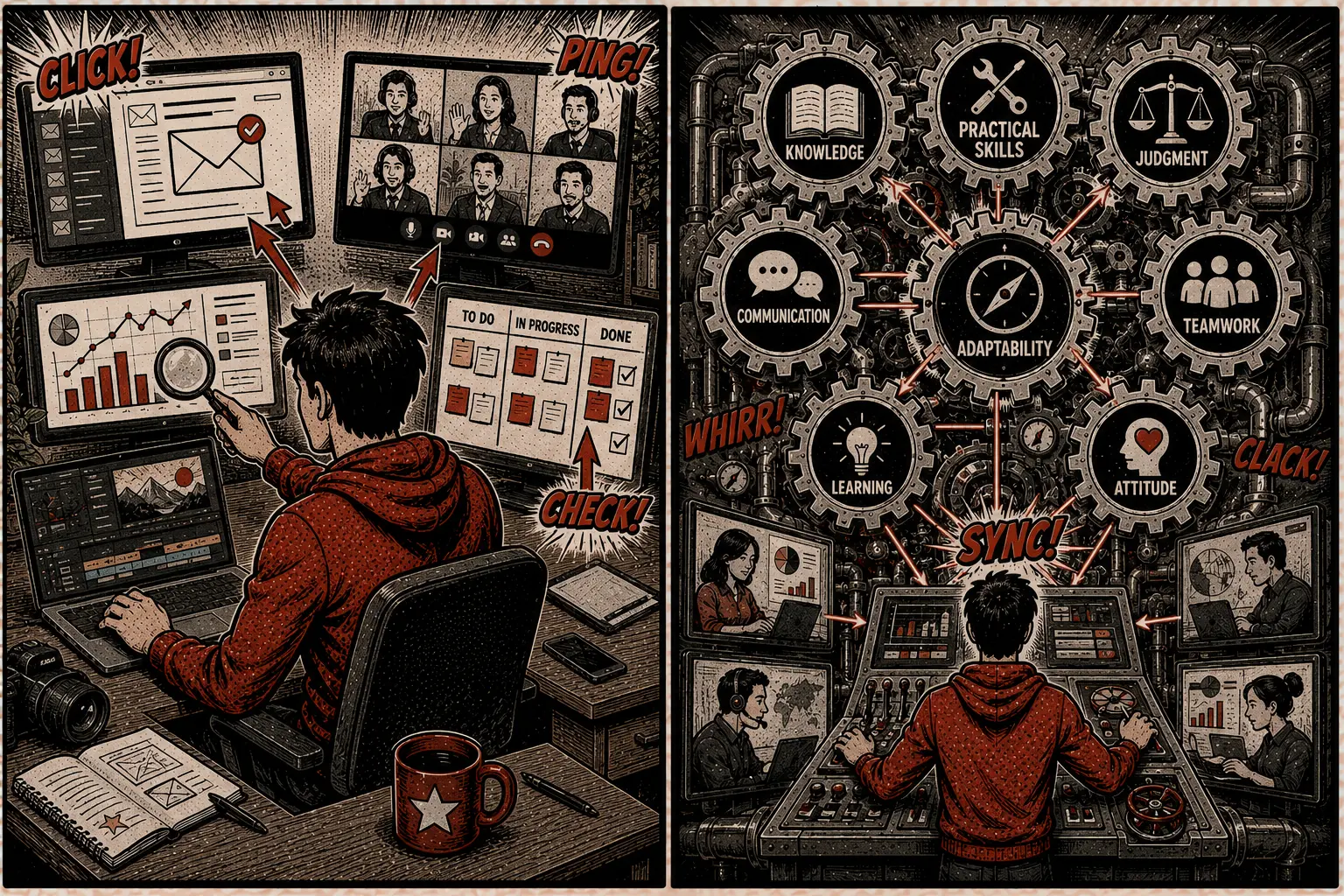
Skills are what someone knows. Competence is how they use it.
Panel 18 of 28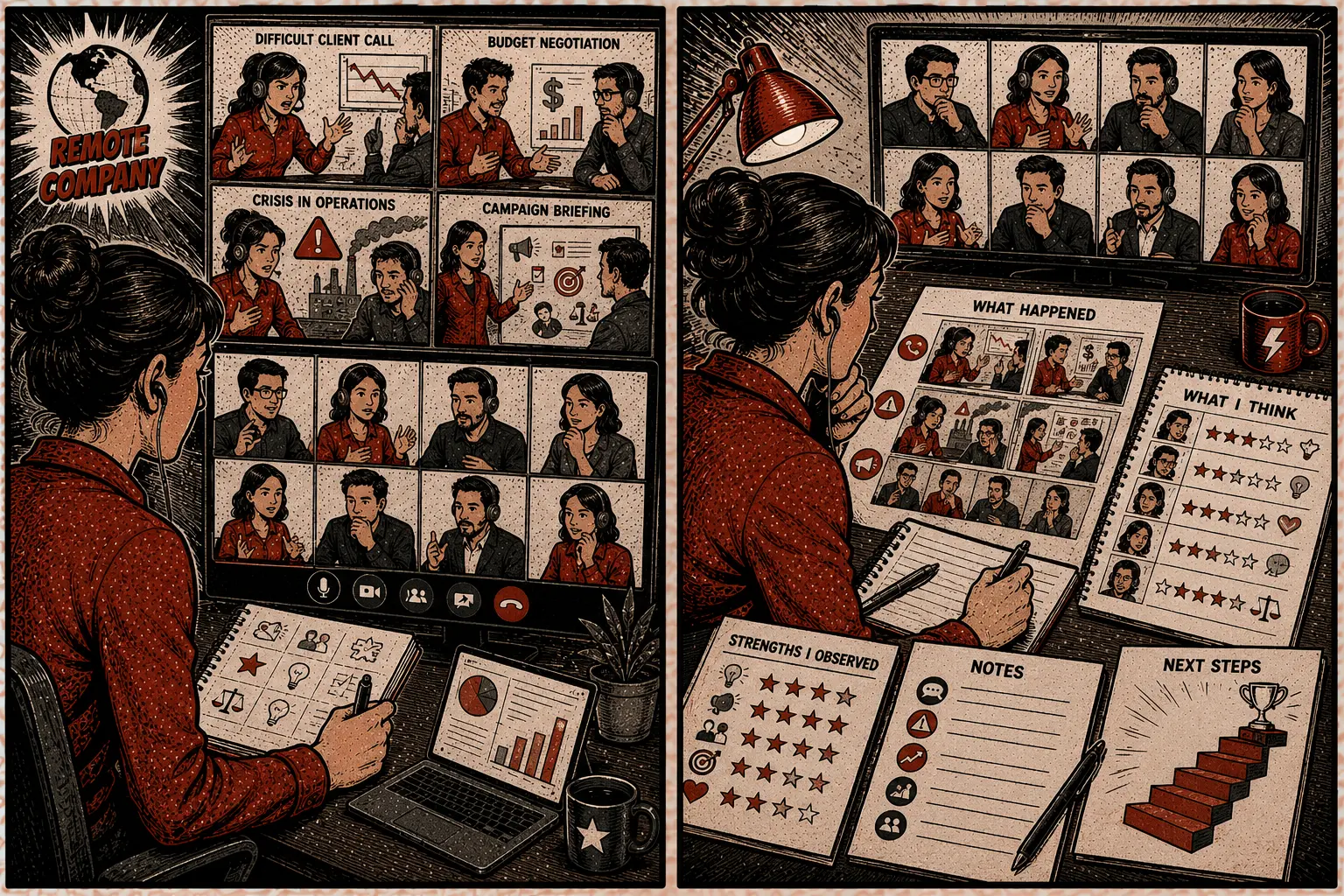
Role plays show how people behave when the pressure is on.
Panel 19 of 28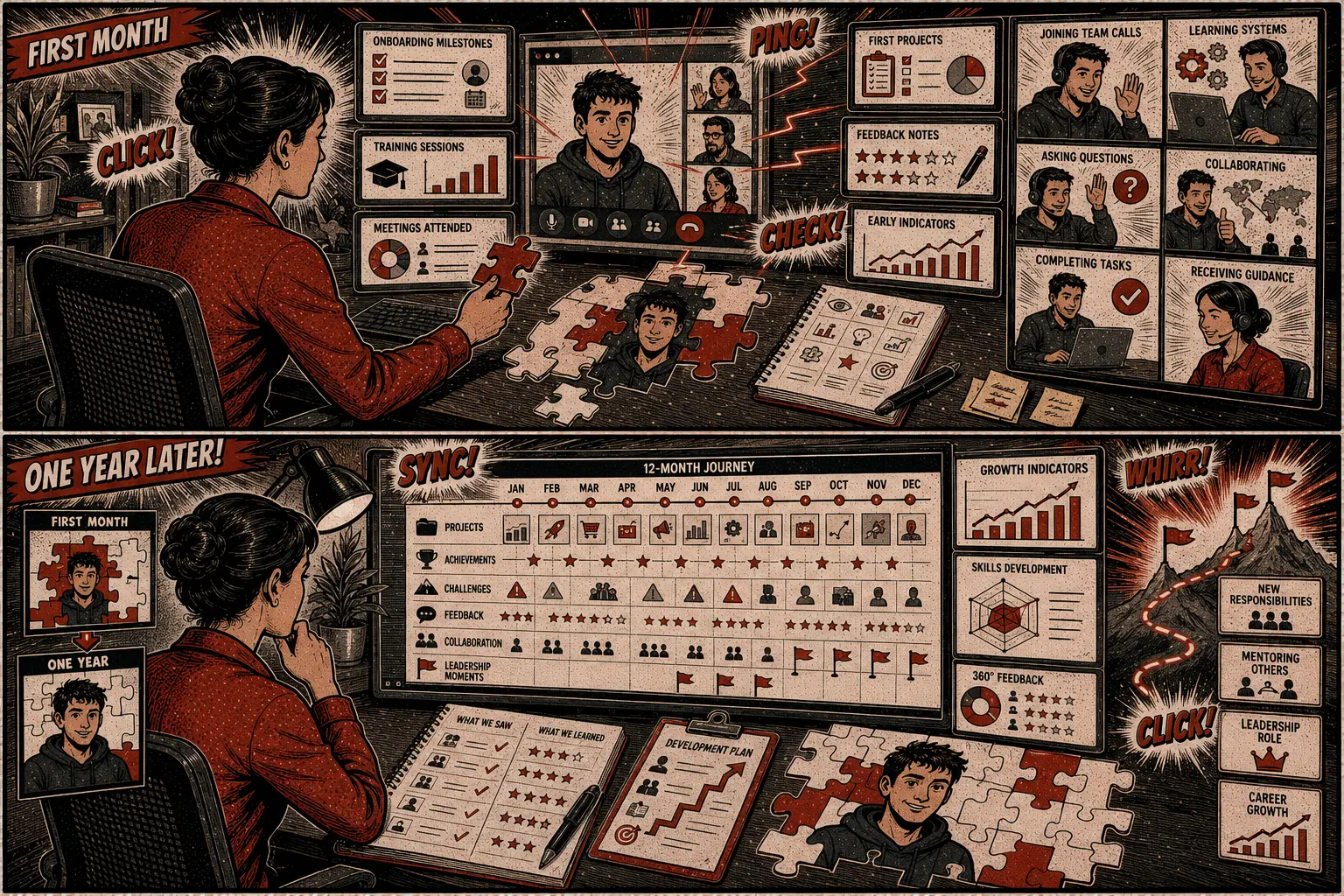
Growth never stops. The best people keep learning.
Panel 20 of 28Remote Activities
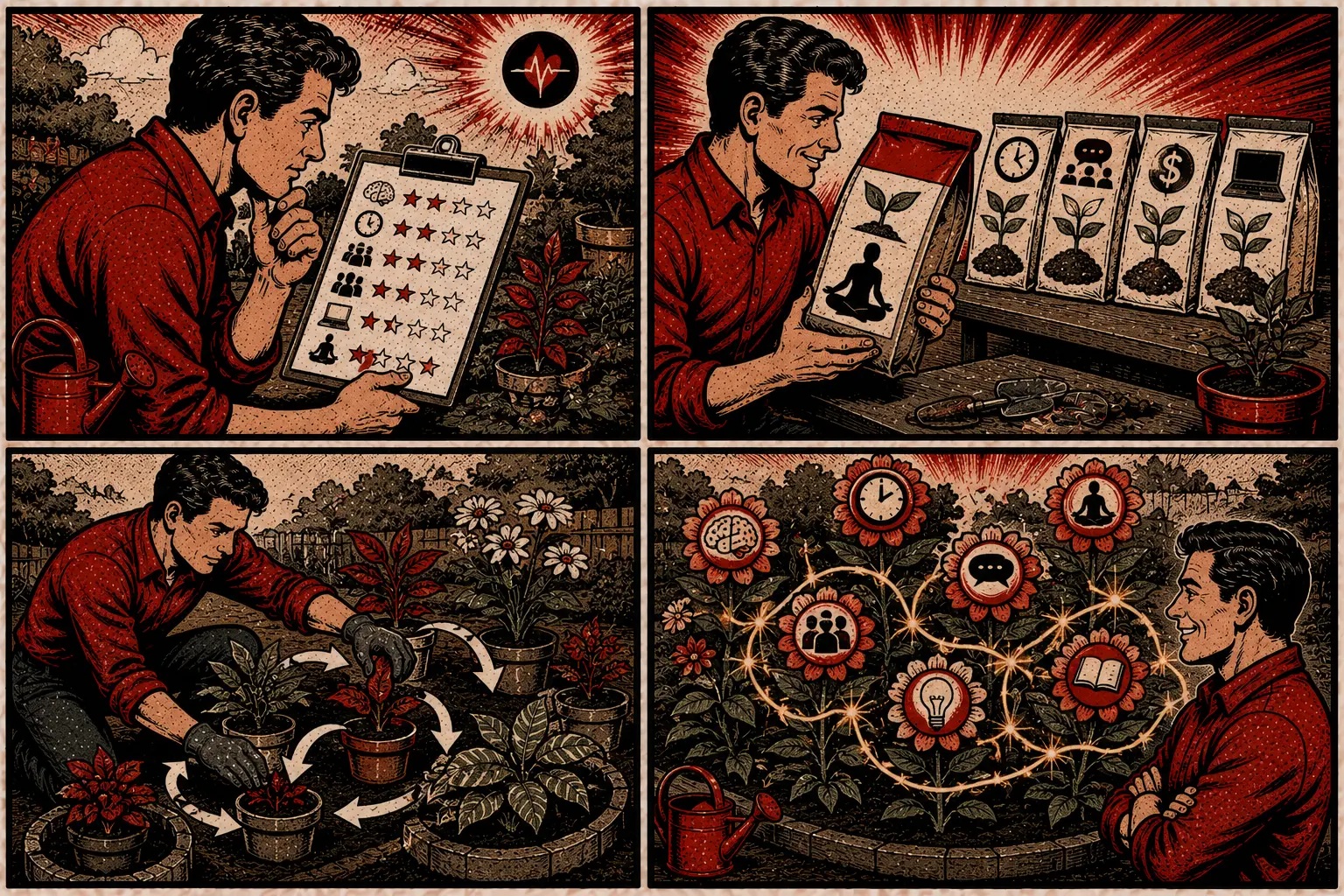
Pick activities with a clear purpose, not just to fill time.
Panel 21 of 28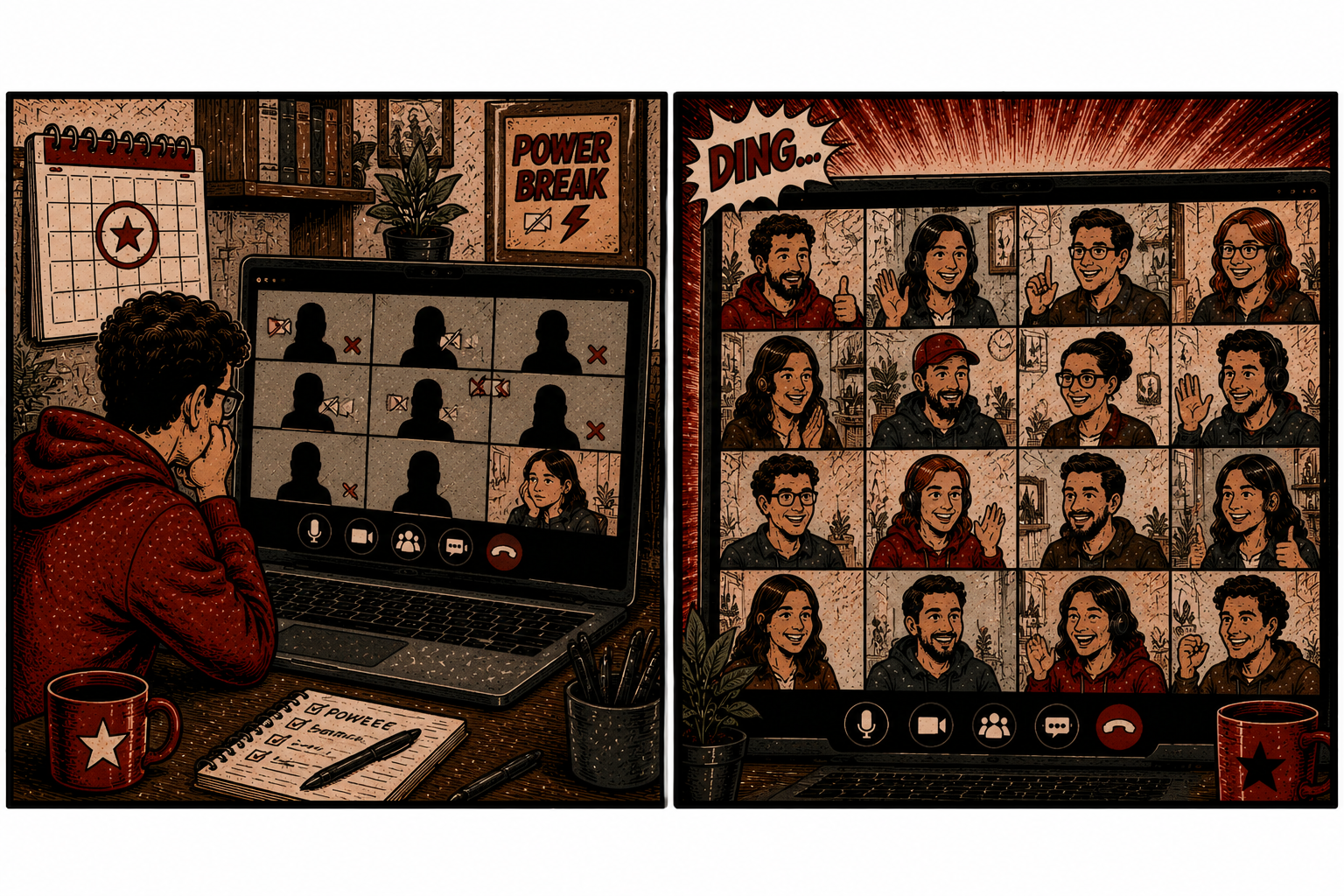
Watch how people engage. Resistance is information.
Panel 22 of 28Small moments like a virtual coffee build more trust than big events.
Panel 23 of 28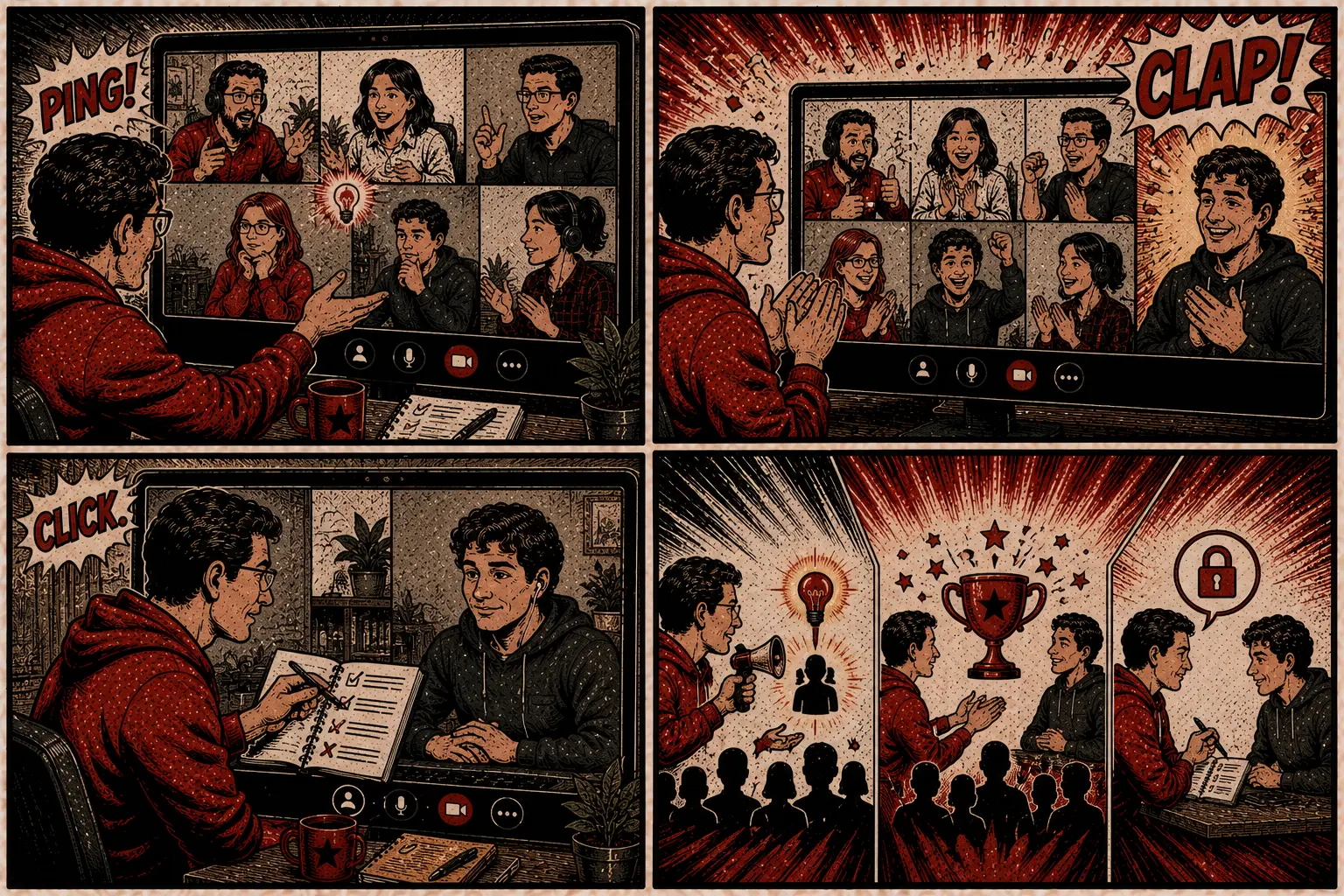
Different cultures in one team are a strength, if you make space for them.
Panel 24 of 28Off-boarding
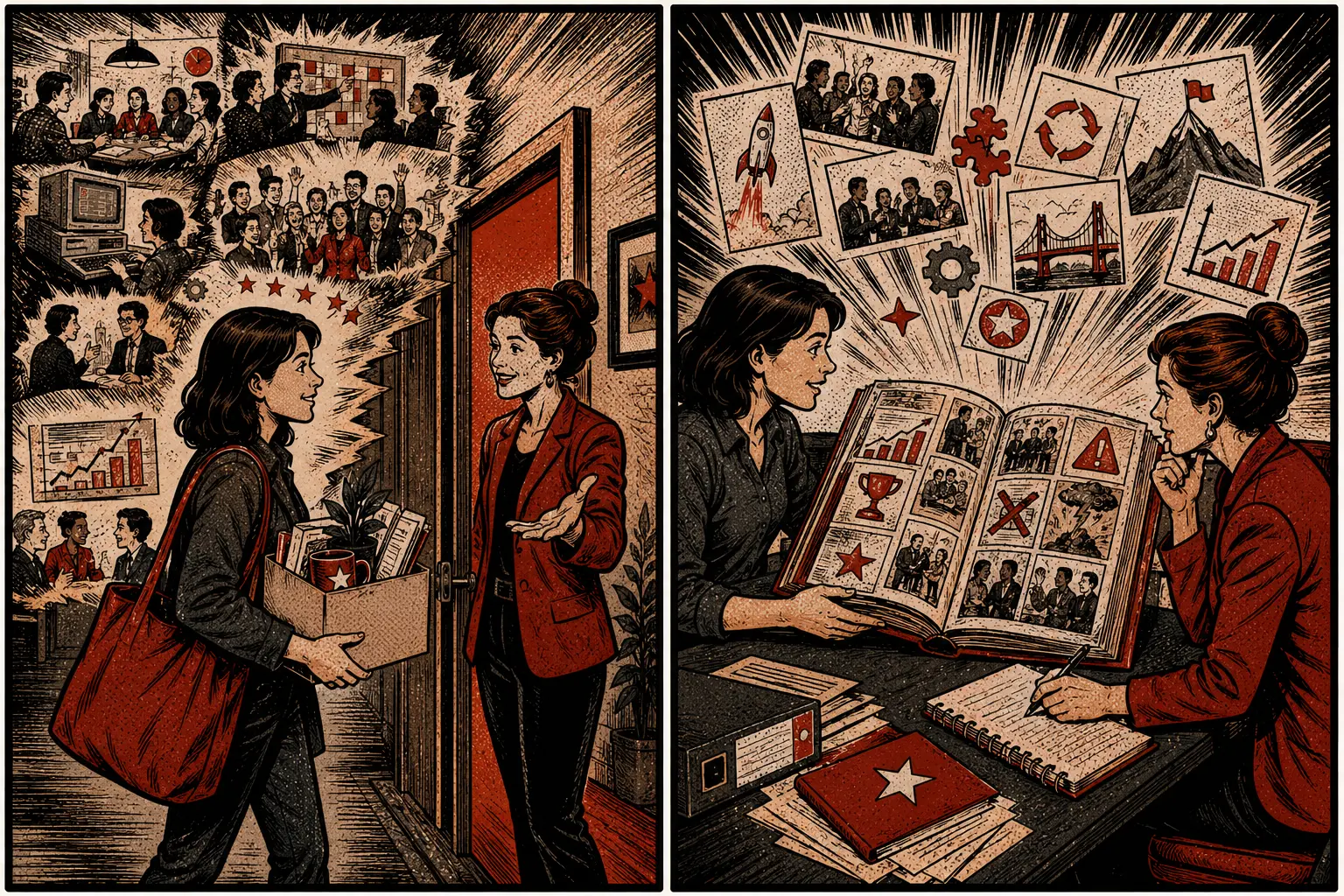
Goodbye matters as much as hello. Endings shape your reputation.
Panel 25 of 28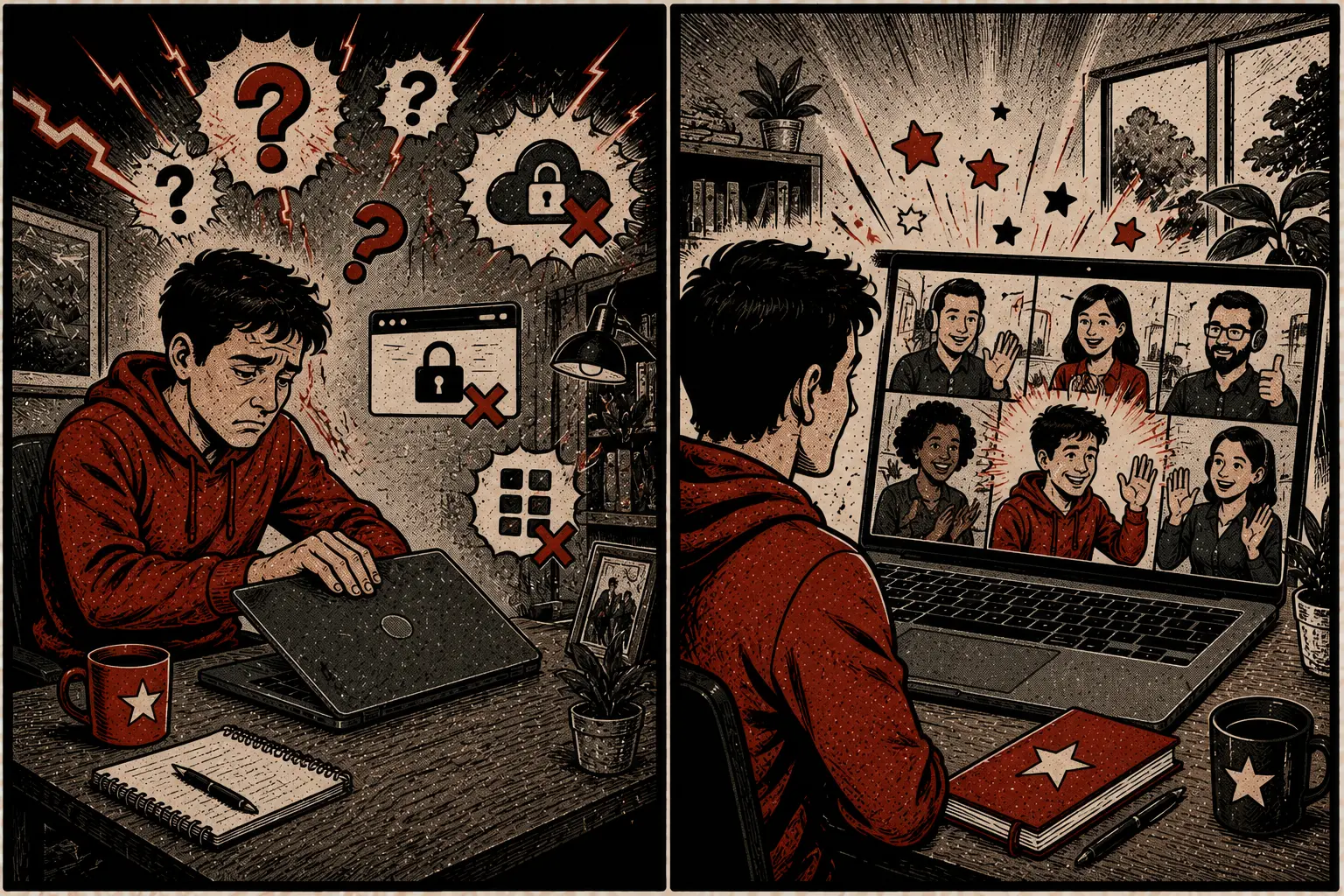
Ask the hard questions at the exit. That is when people are honest.
Panel 26 of 28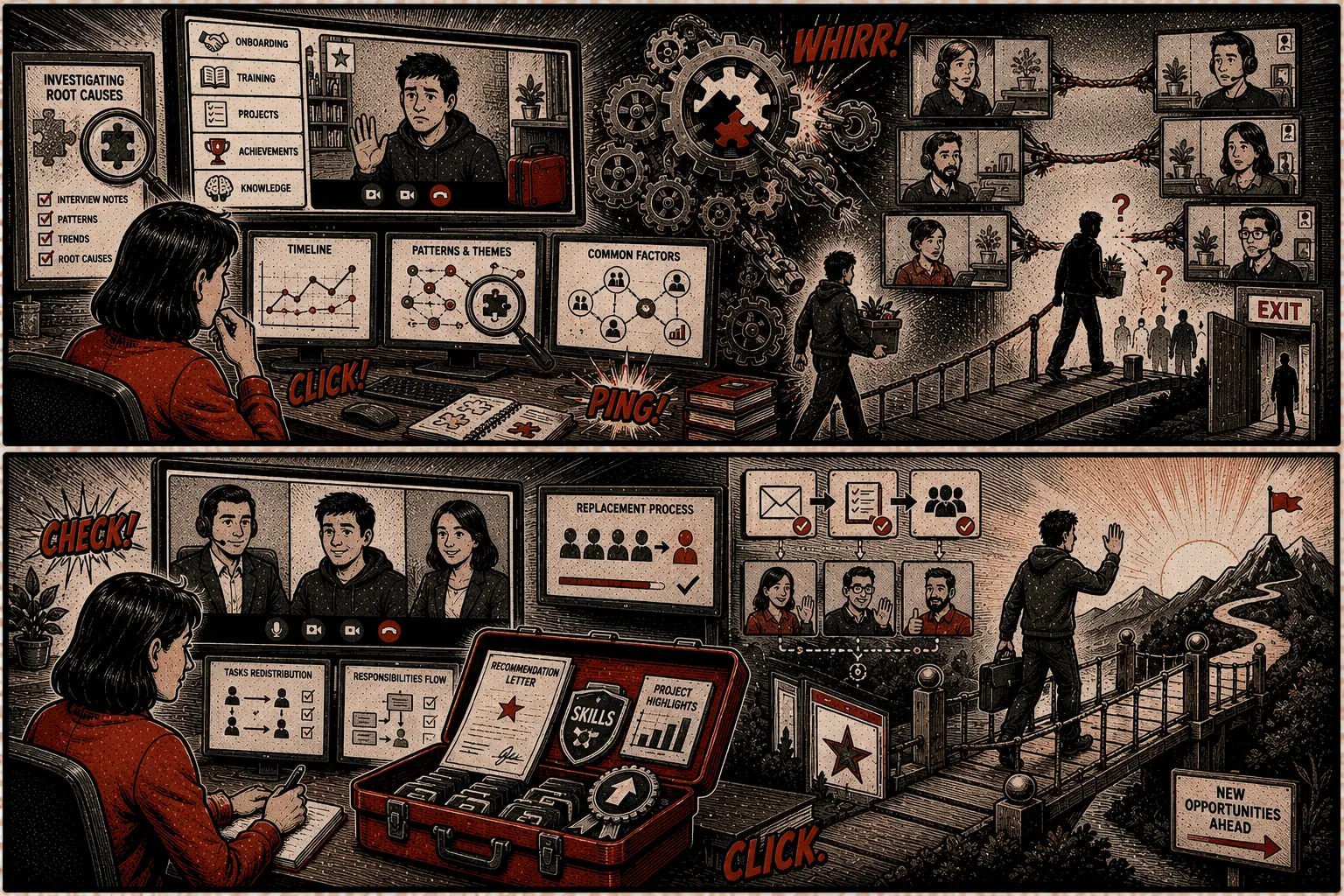
End well, and people become alumni who may come back.
Panel 27 of 28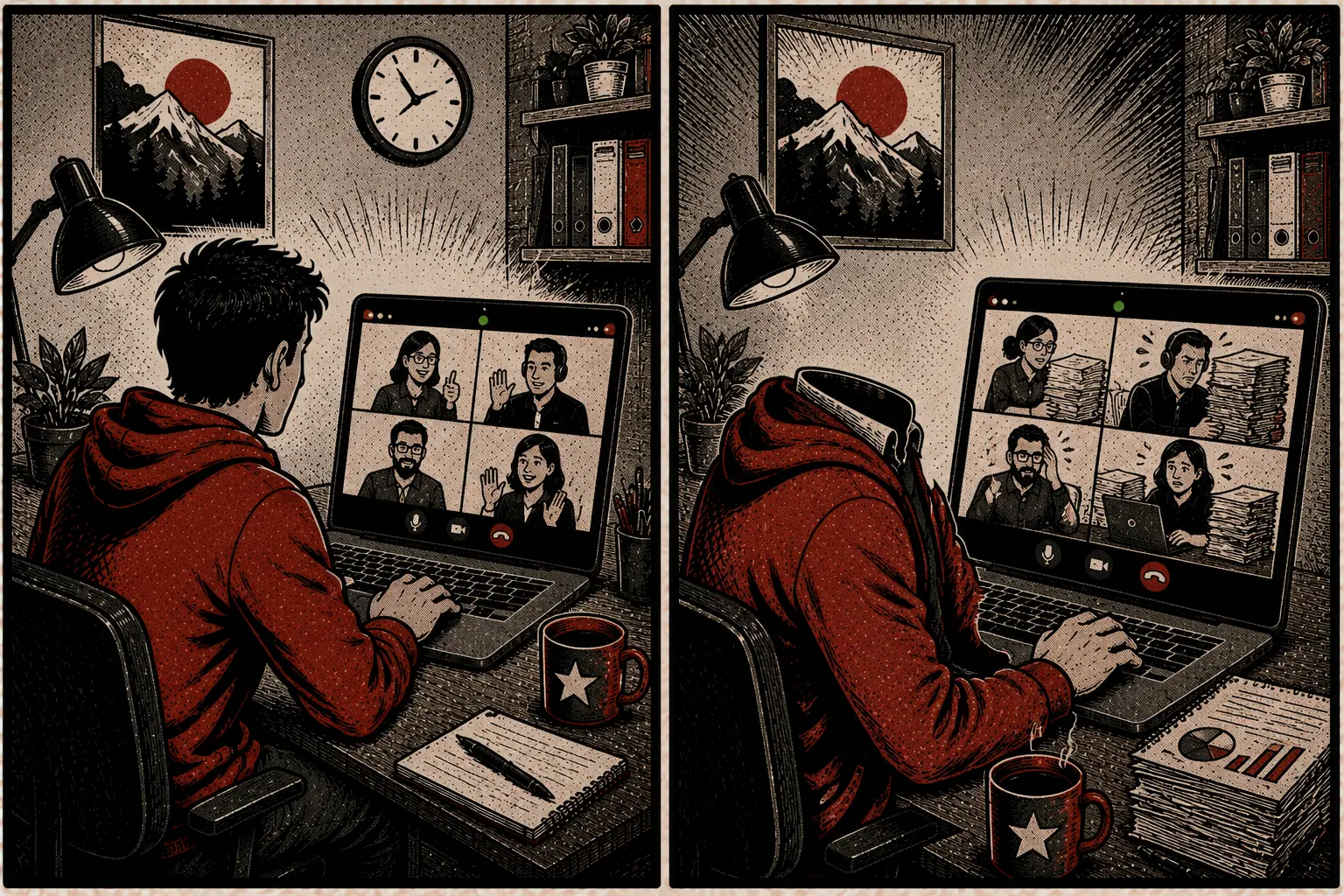
Quiet quitting is a signal. People leave long before they resign.
Panel 28 of 28Read the full book
The comic is just the start. Each chapter goes deeper, with real case studies, tools and audio.
Join the Newsletter.
Get new chapters, comics and remote-first tools as we publish them.